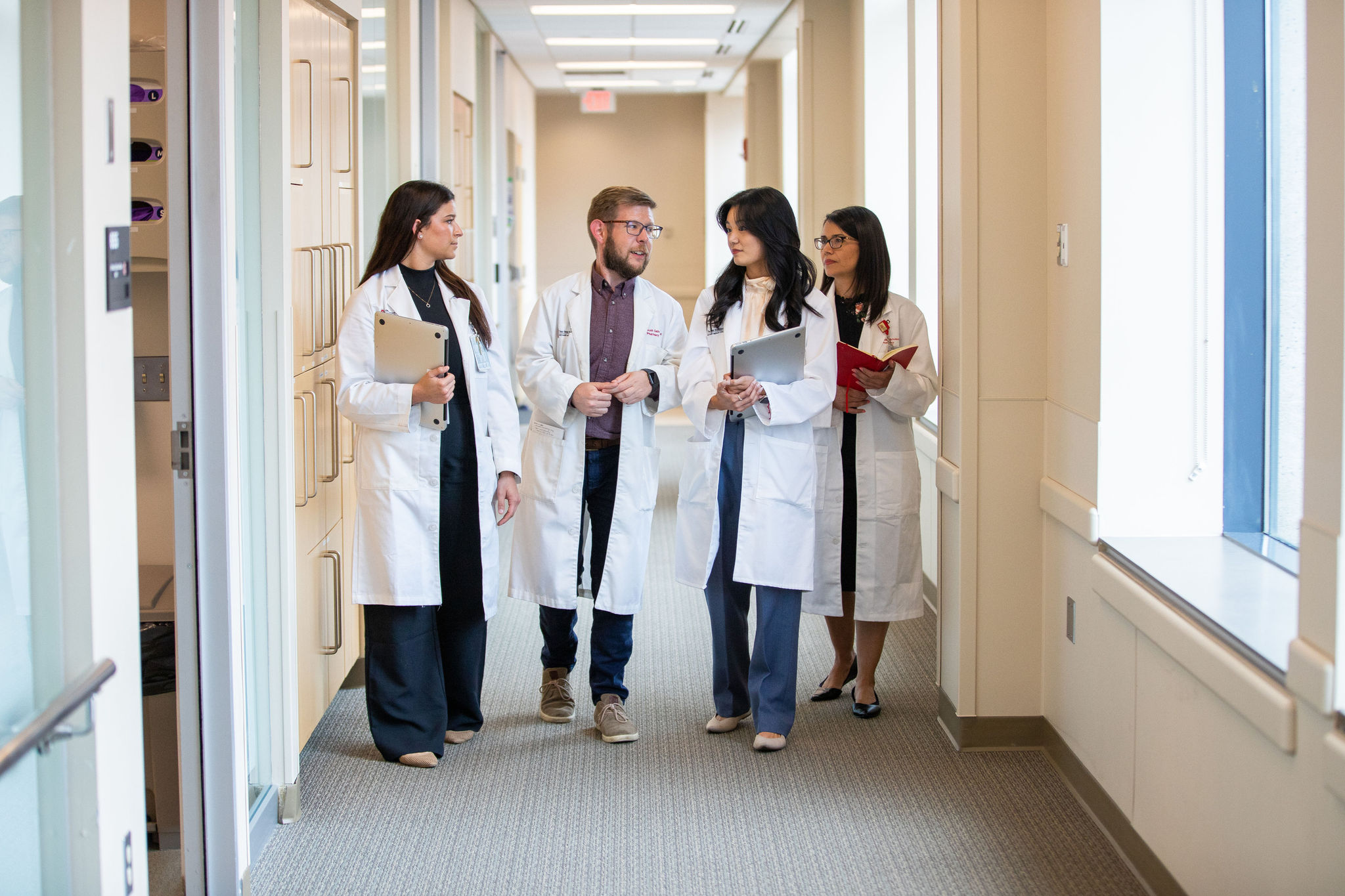
PGY2 PROGRAM
Residency Program Director
-
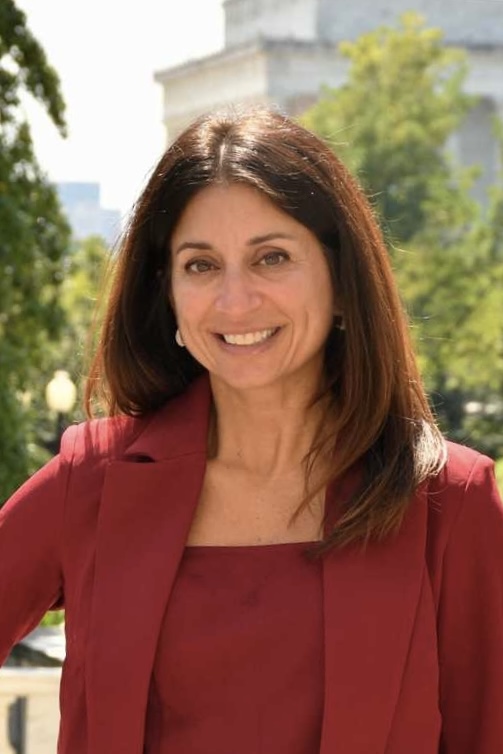
Melissa Snider, PharmD, BCACP, CLS
- Associate Director Pharmacy, Ambulatory Care
- Residency Program Director, PGY2 Ambulatory Care
- Assistant Professor, College of Pharmacy
- PharmD - Ohio Northern University
- PGY1 - Veterans Affairs Medical Center
Previous Year Residents
-
2026
Sidney Drake, PharmD
Specialty Practice Pharmacist-Ambulatory Care-OSUWMC -
Madison Puryear, PharmD
Specialty Practice Pharmacist-Ambulatory Care-OSUWMC -
Bhanujit Sabharwal, PharmD
Clinical Ambulatory Care Specialist-Corewell Health, Michigan -
2025
Vindya Perera, PharmD, MPH, BCPS
Ambulatory Care Pharmacy Specialist, Advocate Medical Group, Chicago, IL -
Abigail Downing, PharmD
Ambulatory Pharmacist, Parkview Health, Fort Wayne, IN -
Caia Trykall, PharmD
Ambulatory Care Specialty Practice Pharmacist, The Ohio State University Wexner Medical Center
About the PGY2 Ambulatory Care – Wexner Medical Center Residency Program
Residency Sites
The PGY2 Ambulatory Care resident will practice within the OSUWMC Heal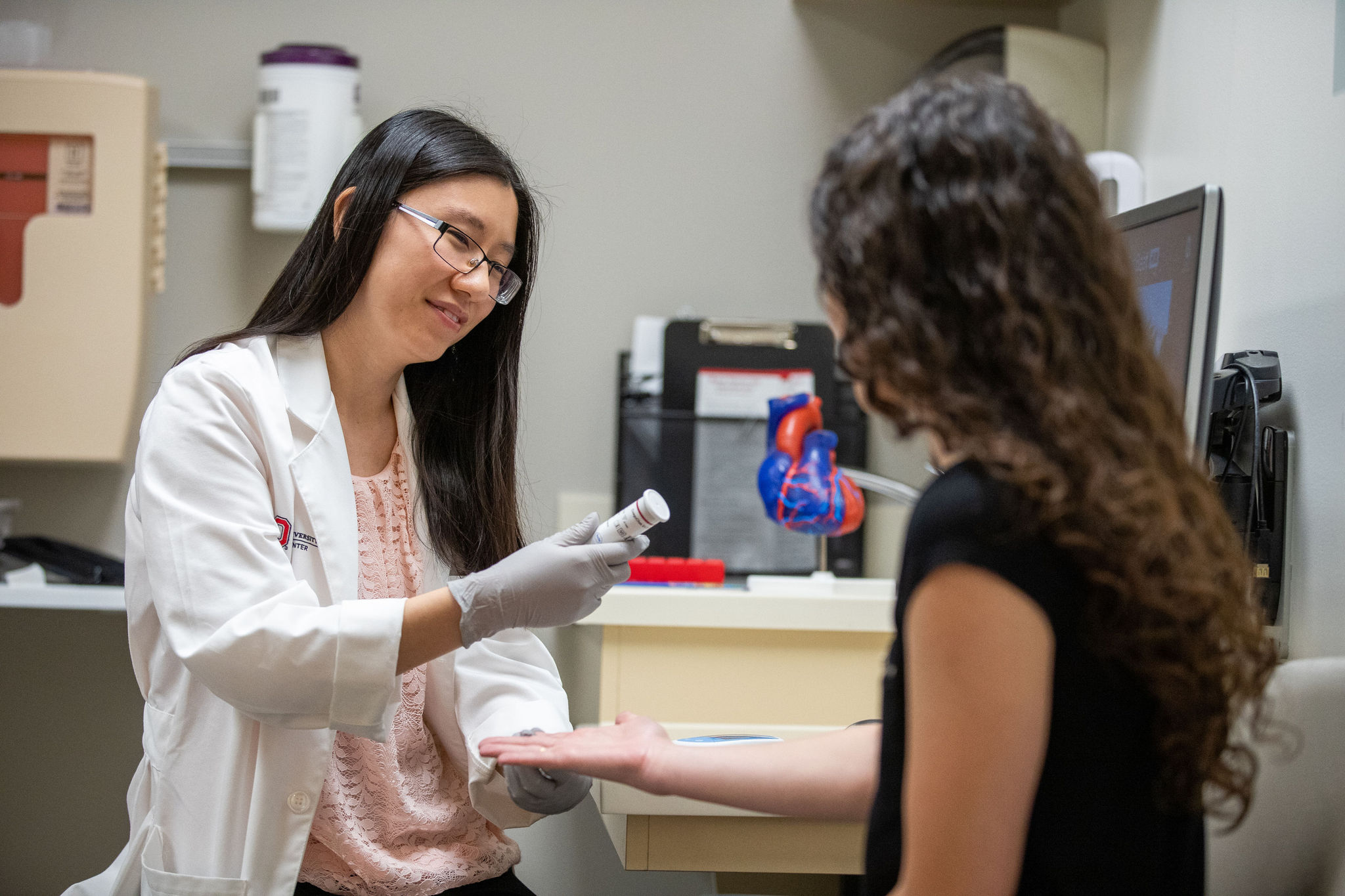 th-System, including hospital based clinics within the Richard M. Ross Heart Hospital, a leader in cardiovascular care, as well as several non-hospital based clinics within OSU Outpatient Care centers. The pharmacist-driven ambulatory care clinics operate under collaborative practice agreements. Ambulatory Care Specialty Pharmacists are privileged by the institution and involved in many areas of patient care including anticoagulation management, cardiovascular risk reduction, medication therapy management, hep C medications, and smoking cessation services.
The PGY2 Ambulatory Care Residency at The Ohio State University Wexner Medical Center combines clinical, administrative, and project management experiences in various specialized areas. The residency provides a well-rounded experience to help develop the resident’s clinical and operational expertise. The resident becomes a core member of the Ambulatory Care Pharmacy team through structured rotation experiences and projects. The resident will be encouraged to seek opportunities in their areas of interest.
As one of America’s top ranked academic medical centers, the mission of The Ohio State University Wexner Medical Center (OSUWMC) is to improve people’s lives through innovation in research, education, and patient care. OSUWMC is a 1,506 bed multi-hospital delivery system recognized in 2018 as one of “America’s Best Hospitals” for excellence in ten specialties by US News and World Report based on quality, outcomes, and reputation.
University Hospital (UH)
University Hospital (UH) is our flagship hospital with over 1200 beds. UH is a major referral center for patients throughout Ohio and the Midwest, and is one of the busiest kidney and pancreas transplant centers in the world. UH is also an international center for neuromodulation research and neurological care. In addition, UH is a level 1 trauma center in addition to being the primary burn center for the region. The James Cancer Hospital and Solove Research Institute is one of the nation’s premier centers for the prevention, detection and treatment of cancer.
OSUWMC features the world’s most advanced cancer and critical care hospital which opened in December of 2014. With the opening of the new hospital, our institution boasts an Emergency Department (ED) with over 100 beds and an area dedicated specifically to the care of cancer patients within the ED. Medical Intensive Care, Surgical Intensive Care, Neuro Intensive Care, and Cancer specific ICU patient care areas also exist within the new critical care tower.
The Ross Heart Hospital
The Ross Heart Hospital is a leader in cardiology and heart surgery and is the only nationally ranked heart hospital in the area. Each floor of the 150-bed hospital is dedicated to a specific service, which helps us provide specialized care for every patient. The Ross is one of the largest centers for the implantation of LVAD devices in the world in addition to providing heart and lung transplants.
The James Cancer Hospital
The Ohio State University Comprehensive Cancer Center–Arthur G. James Cancer Hospital and Solove Research Institute (OSUCCC–James) is the Midwest’s first freestanding cancer hospital and is funded by the National Cancer Institute to conduct both phase I and phase II clinical trials on novel anticancer drugs. The James is one of the nation’s premier cancer centers for the prevention, detection and treatment of cancer.
University Hospitals East
University Hospitals East (UHE) blends the friendly atmosphere of a community hospital with the advantages of being a part of a major academic medical center. Located on the eastern edge of downtown Columbus, University Hospital East offers renowned Ohio State services in orthopedic care, emergency services, cancer care, addiction services, ear, nose and throat care, heart care, radiology and imaging services, rehabilitation and wound healing.
OSU Outpatient Care Sites (Dublin, Upper Arlington, New Albany, Gahanna, East)
These sites provide high-quality and conveniently located health services with an emphasis on prevention of disease and illness, as well as the treatment of routine and complex medical conditions across the spectrum of one’s life.
University Hospital-Pavilion
The University Hospital-Pavilion (previously Brain and Spine Hospital) opened in the Fall of 2016 and is a state-of-the-art facility for the advanced management, care and healing of patients with neurological disorders. The hospital consists of 87 private beds and specialized units for stroke and neurovascular, neurotrauma, epilepsy, spine, chronic pain, neuromodulaton, multiple sclerosis, cognitive and movement disorders, as well as an innovative new model for acute spinal cord injuries.
The Department of Pharmacy
The Department of Pharmacy at The OSUWMC is one of the largest in the country. With over 400 employees, and a practice model that includes both clinical pharmacy generalists and clinical pharmacy specialists, our goal is the provision of outstanding, state of the art care. We advise our staff on the best use of medications, develop safeguards for our patients to prevent medication errors and develop transformative pharmacy practice in health-systems.
We are guided in this mission by our strategic plan that focuses on five key priorities: optimizing our pharmacy information system, refining our practice model, enhancing our medication safety program, establishing the pharmacy as a workplace of choice in Central Ohio and refining our academic relationships and department scholarship. Training future generations of pharmacists is a vital part of our mission. Our pharmacists serve as preceptors for our residency programs while providing experiential training for Doctor of Pharmacy (PharmD) students.
Our residency program has a 55-year tradition of excellence with our graduates being well-prepared to work at a high-level in a wide-variety of institutional and ambulatory patient care facilities. The Department of Pharmacy, in partnership with the OSU College of Pharmacy, strives to develop the skills of our residents and provide a residency program that is recognized nationally for the quality and Ohio State University Wexner Medical Center.
Key Rotations/Experiences
Rotational experiences for the Wexner Medical Center (WMC) PGY2 residency in ambulatory care are designed to provide the resident with an exposure to a variety of ambulatory pharmacy services and patient populations. One of the most notable features of the PGY2 Ambulatory Care residency at the OSUWMC is the wide variety of rotation options and flexibility in scheduling and customization to individual interests.
The resident is required to complete one orientation month. Within the first three months, the resident is strongly encouraged to complete a one month acute care cardiology rotation to increase exposure to core inpatient and transition of care concepts. The remainder of the experiences are longitudinal and a mix of core and elective. The length of electives vary, therefore a resident’s number of electives can also vary. Residents typically spend 5-6 half days weekly in direct patient care. Rotation selections will be guided by the Residency Program Director, and will ensure that the resident achieves a broad range of experiences and exposure to various patient populations.
Other key experiences during the residency will include the completion of a major research project, the completion of a quality improvement project, completion of an administrative ambulatory project, participation in a resident research series, delivery of 6 informal noon conferences and 1 formal educational lecture, and development or expansion of clinical pharmacy services. The resident will also have the opportunity to attend the ASHP Midyear Clinical Meeting in addition to presenting their finalized research project at a Pharmacy Residency Conference.
Core Rotations
- Orientation (1 month)
- Acute care cardiology (1 month; encouraged, not required)
- Primary Care/Population Health at OSU Family Medicine (10 months)
- Anti-coagulation Management Service (10 months)
- Ambulatory Pharmacy Administration (10 months)
- Lipid Management/Cardiovascular Risk Reduction Service (6 months)
- Anti-arrhythmic Medication Monitoring (2-3 months)
- Smoking Cessation Clinic (2-3 months)
- Heart Failure (2-3 months)
- Bone Health (2-3 months)
- Sub-specialties (2-3 months)
Core Sub-Specialty Rotations
- Endocrinology (Diabetes)
- Neurology (Multiple Sclerosis, Neuromuscular, Headache)
- Nephrology
- Inflammatory Bowel Disease
- Rheumatology
Elective Rotations
- Outpatient Electrophysiology
- Infectious Disease (HIV/PrEP)
- Pediatrics
- Sickle Cell Disease
- Transitions of Care (Cardiology, Diabetes)
- Pulmonology
- Weight Management
- Medication Therapy Management
- Emergency Medicine
- Hemophilia Management
- Hepatitis C Management
- Perioperative Pharmacy Management (OPAC)
- Pain and Palliative
- Oncology
- Solid Organ Transplant
Key Preceptors
Aaron Bagnola, PharmD, BCPS, BCCP
Kelly Bartsch, PharmD, BCPS, CLS
Erica Davidson, PharmD, ACE, BCACP, CLS
Margie Hevezi, PharmD, CDE, CLS
Sarah Hill, PharmD, BCPS
Ariel Holland, PharmD BCACP
Amy James, PharmD, BCACP, CACP, BC-ADM
Natalie Nielson, PharmD, AAHIVP, BCACP
Tiffany Ortman, PharmD, BCACP, CACP
Caitlin Parks, PharmD, BCACP
Alyssa Rinaldi, PharmD, BCACP
Emily Vrontos, PharmD, CDCES
Christopher Westrick, PharmD, MPH, BCACP, CSCES, CTTS
Selected Resident Research
Experience With Pre-Procedural Hemostatic Medications versus Platelet Transfusion in Patients with Platelet Storage Pool Deficiency. Lundy KA, Rabatin A, Davidson ER, Li J, Snider MJ, Kraut EH.J Pharm Pract. 2023 Dec;36(6):1412-1418. doi: 10.1177/08971900221119167. Epub 2022 Aug 17.
The Impact of a Diabetes Transitions of Care Clinic on Hospital Utilization and Patient Care. Rinaldi A, Snider M, James A, Harris C, Cephas Hill K, Li J, Wyne K. Ann Pharmacother. 2023 Feb;57(2):127-132. doi: 10.1177/10600280221102557. Epub 2022 Jun 9.
Risk Versus Benefit of Combined Aspirin and Warfarin Therapy in Patients with Atrial Fibrillation. Nagaraj TA, Snider MJ, Davidson E, Weiss R, Li J, Afzal M.J Pharm Pract. 2021 Oct;34(5):766-773. doi: 10.1177/0897190020916638. Epub 2020 Apr 15.
Trends in Anticoagulation Management Services Following Incorporation of Direct Oral Anticoagulants at a Large Academic Medical Center. Mills C, Snider MJ, Ortman TC, Dush A, Hevezi MS, Li J, Weiss R, Kraut E. J Thromb Thrombolysis. 2021 May;51(4):1050-1058. doi: 10.1007/s11239-020-02286-2. Epub 2020 Oct 9.
Tolerance of Proprotein Convertase Subtilisin/Kexin type 9 (PCSK9) Inhibitors in Patients with Self-Reported Statin Intolerance. Davidson ER, Snider MJ, Bartsch K, Hirsch A, Li J, Larry J. J Pharm Pract. 2020 Jun;33(3):276-282. doi: 10.1177/0897190018799218. Epub 2018 Sep 16.
BENEFITS AND ADDITIONAL BENEFITS
Application Deadline:
January 5, 2027
We welcome applications from non-U.S. citizens who have a “green card” (permanent resident status) or a current visa valid through the entire duration of the residency program. The Ohio State University pharmacy residency programs are NOT able to sponsor visas for pharmacy residents (PGY1 or PGY2).
Start Date: July 1
Annual Salary – $58,000
Vacation Days – 10 days
Staffing Requirement – 19 weekends per year
Completion of a Major Research Project