PGY1 Pharmacy/PGY2 Program
Residency Program Director
-
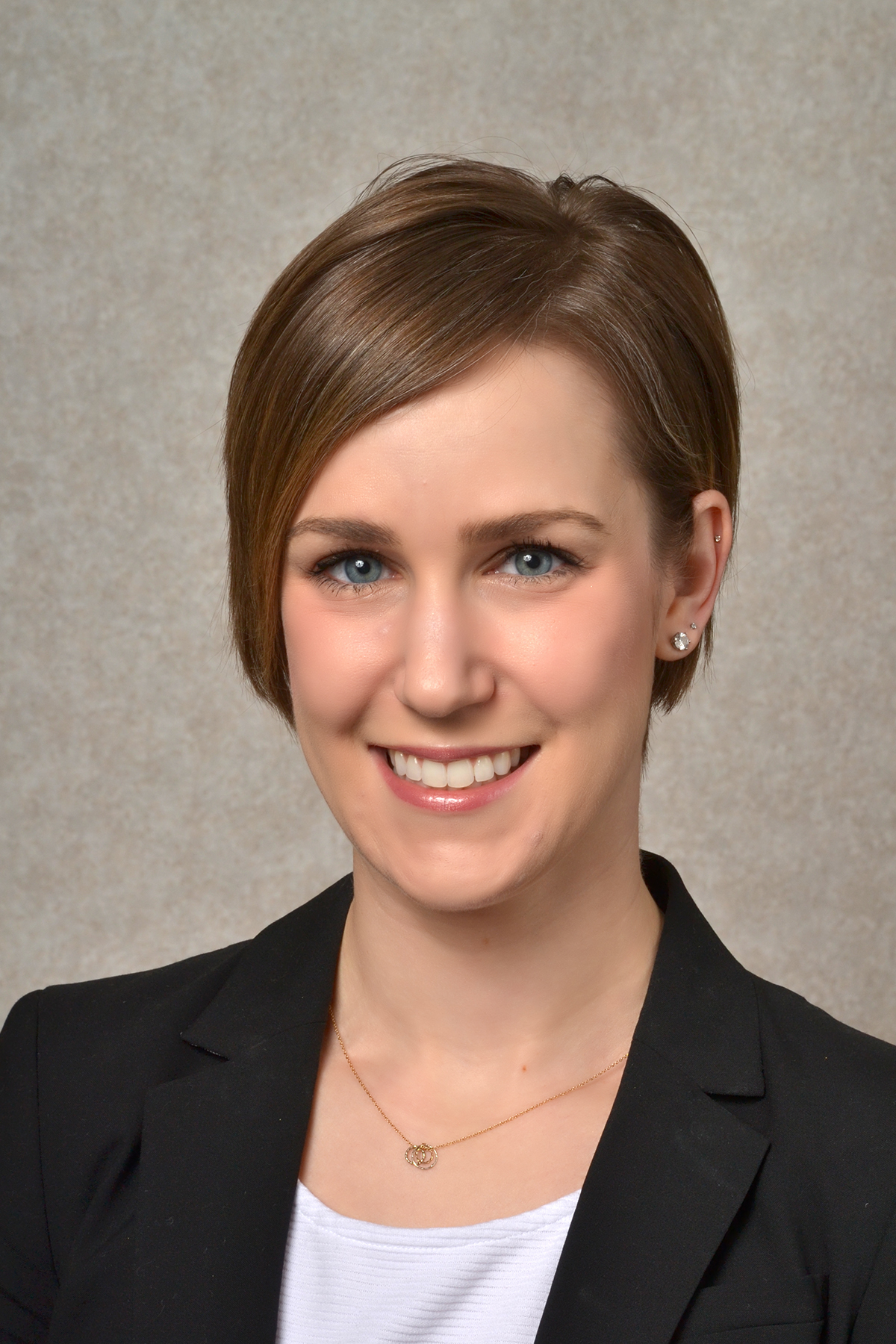
Amanda Sabol, PharmD, MPH, BCPS
- PGY1/2 Investigational Drugs and Research Residency Program Director
- Assistant Director, Investigational Drug Service
About the PGY1 Pharmacy/PGY2 Investigational Drugs and Research Residency Program
Residency Sites
The Ohio State University Wexner Medical Center (OSUWMC) is a 1,506 bed tertiary care medical center located in Columbus, Ohio. It is a multi-hospital delivery system recognized in 2022 as one of “America’s Best Hospitals” for excellence in 9 specialties by US News and World Report based on quality, outcomes, and reputation.

The James Cancer Hospital and Solove Research Institute
The OSUCCC – James strives to create a cancer-free world by integrating scientific research with excellence in education and patient-centered care — a strategy that leads to better methods of prevention, detection and treatment. Ohio State is one of 51 National Cancer Institute (NCI)-designated Comprehensive Cancer Centers and one of only a few centers funded by the NCI to conduct both phase I and phase II clinical trials on novel anticancer drugs sponsored by the NCI. As the cancer program’s 356-bed adult patient-care component, The James is one of the top cancer hospitals in the nation as ranked by U.S. News & World Report and has achieved Magnet® designation, the highest honor an organization can receive for quality patient care and professional nursing practice. With 21 floors and more than 1.1 million square feet, The James is a transformational facility that fosters collaboration and integration of cancer research and clinical cancer care.
University Hospital (UH)
University Hospital (UH) will serve as an additional site serving patients and research in non-oncologic disease states. UH is our flagship hospital with over 1200 beds and is a major referral center for patients throughout Ohio and the Midwest, and is one of the busiest kidney and pancreas transplant centers in the world. UH is also an international center for neuromodulation research and neurological care. In addition, UH is a level 1 trauma center in addition to being the American Burn Associated verified adult burn center for the region.
Key Rotations / Experiences
PGY1
Rotational experience is designed to provide the resident with broad exposure to pharmacy services and patient populations and is the backbone of the PGY1 Residency experience. The structure of the resident’s rotation schedule will be tailored to each resident. Additional information can be found on the Post Graduate Year 1 Programs: Health-System page
PGY2
The resident will complete a combination of rotations and longitudinal experiences designed around the core objectives specified by ASHP in addition to the resident’s interest. The following is a list of the required learning experiences:
- Orientation
- Investigational Drug Service (IDS) Core
- IDS Leadership
- Clinical Trial Office
- Clinical Trial Management Office
- Office of Responsible Research Practices
- Clinical Inpatient
- Clinical Outpatient
- Clinical Treatment Unit
- Research Informatics
- Drug Development Institute
- Precepting
- Teaching
- Institutional Review Board
- IDS Longitudinal
- Clinical or Quality Research Project
- Operational Staffing
Elective offerings may vary according to the interests of the resident.
Key Preceptors
Amanda Sabol, PharmD, MPH, BCPS
Assistant Director, Investigational Drug Service
Kelley Beckett, PharmD
Research Pharmacist
Naomi Digiantonio, PharmD, BCPS, BCOP
Pharmacy Specialist, Clinical Treatment Unit
Emily Harmon, PharmD, CCRP
Research Pharmacist
Daniel Haas, MS, RPh
Research Pharmacist
Jennifer Severing, PharmD, BCPS
Research Pharmacist
Alexis Mann, PharmD, MBA
Research Pharmacist
Sebastian Biglione, BS, MLA, PharmD, PhD, CCRP
Director, Clinical and Regulatory Strategy
Drug Development Institute
Sandra Meadows, MPH, CIP
Program Manager, Educational Programming and Regulatory Support
Office of Responsible Research Practices
Kristina Humphries
Assistant Director, Clinical Trials Office
OSU Comprehensive Cancer Center
Lisa Hafer, MPH, CCRP
Assistant Director-Operations, Clinical Trials Management Organization
Center or Clinical Research Management, College of Medicine
BENEFITS AND ADDITIONAL REQUIREMENTS
Application Deadline:
January 3, 2027
We welcome applications from non-U.S. citizens who have a “green card” (permanent resident status) or a current visa valid through the entire duration of the residency program. The Ohio State University pharmacy residency programs are NOT able to sponsor visas for pharmacy residents (PGY1 or PGY2).
Along with your application, we require three letters of recommendation. It is highly recommended that one to two of the letters be from a clinical rotation preceptor within the past six months.
Start Date:
June 21, 2027
Annual Salary:
PGY1 $57,000
PGY2 $58,000
Vacation Days:
10 days per year
Staffing Requirement:
PGY1: 24 weekends
PGY2: 19 weekends
Completion of a Major Research Project in each year