PGY2 PROGRAM
Residency Program Director
-
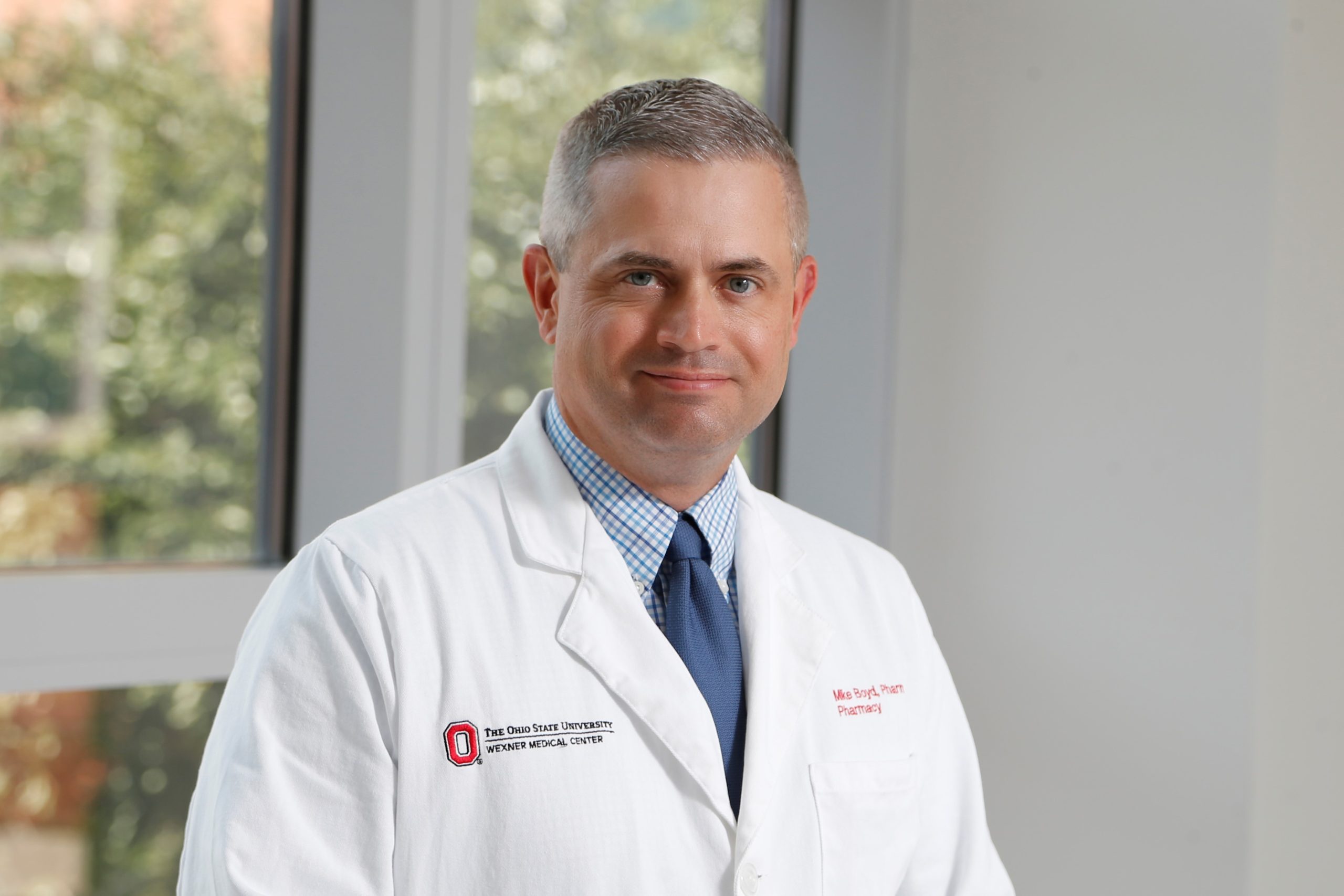
Mike Boyd, PharmD, BCCP, BCPS
- PGY2 Cardiology Residency Program Director, The Ohio State University Wexner Medical Center
- Specialty Practice Pharmacist, Cardiology/Electrophysiology
- Residency: Adult Medicine, St. Louis College of Pharmacy
- PharmD: University of Cincinnati College of Pharmacy
Recent Program Graduates
-
2025
Liz Mann, PharmD
Inpatient Clinical Pharmacist, Evening Cardiology The University of Kansas Health System, Kansas City, KS -
Marisol Wences, PharmD
Cardiology Clinical Inpatient Specialist, University of Chicago Medicine, Chicago, IL -
2024
Laura Andino, PharmD
General Cardiology Clinical Pharmacy Specialist-Beth Israel Deaconess Medical Center-Boston , MA -
Kyndol Craver, PharmD
Cardiology Clinical Pharmacy Specialist-UT Southwestern-Dallas, TX
About the PGY2 Cardiology Residency Program
Residency Sites
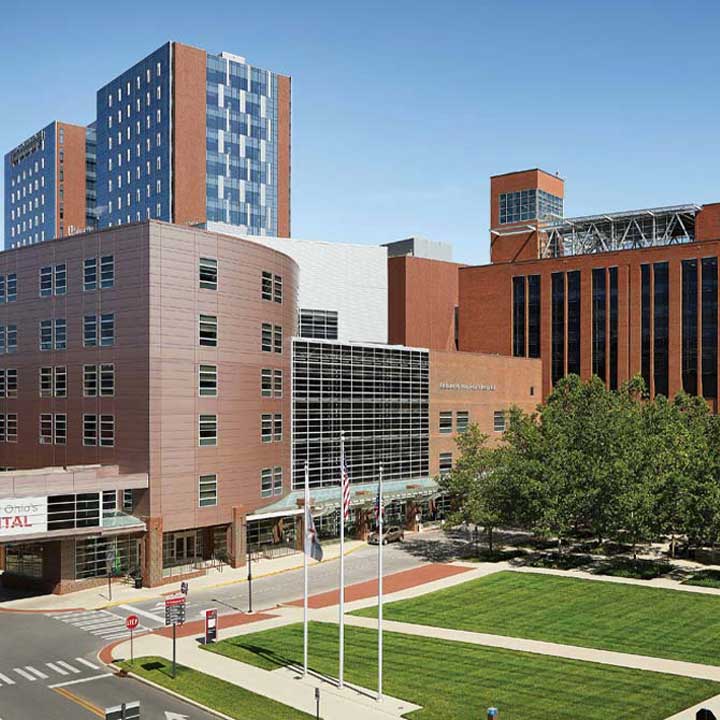 As one of America’s top ranked academic medical centers, the mission of The Ohio State University Wexner Medical Center (OSUWMC) is to improve people’s lives through innovation in research, education, and patient care. OSUWMC is a 1,506 bed multi-hospital delivery system recognized in 2024 as one of “America’s Best Hospitals” for excellence in ten specialties by US News and World Report based on quality, outcomes, and reputation.
The Ross Heart Hospital
The Richard M. Ross Heart Hospital at The OSUWMC is a 150-bed, comprehensive, cardiovascular center which specializes in the multidisciplinary care of patients in areas of cardiovascular surgery, heart failure, pulmonary hypertension, heart and lung transplant , acute coronary syndromes, mechanical circulatory support and electrophysiology. Each floor is dedicated to a specific service and combines the latest technology with patient –focused care to create the best possible healing environment. Our staff manages patients across a versatile spectrum of care, extending from critical care to the ambulatory setting. Ohio State’s Heart and Vascular Center is considered one of the nation’s best hospitals for cardiology and heart surgery, as ranked by U.S. News & World Report, the only central Ohio hospital to earn a spot on the list. Our philosophy strongly supports working as a team to provide the right care to the right patient at the right time, in a safe and secure environment.
KEY ROTATIONS/EXPERIENCES
At OSUWMC, the resident will be responsible for participation in clinical pharmacy rounding services wit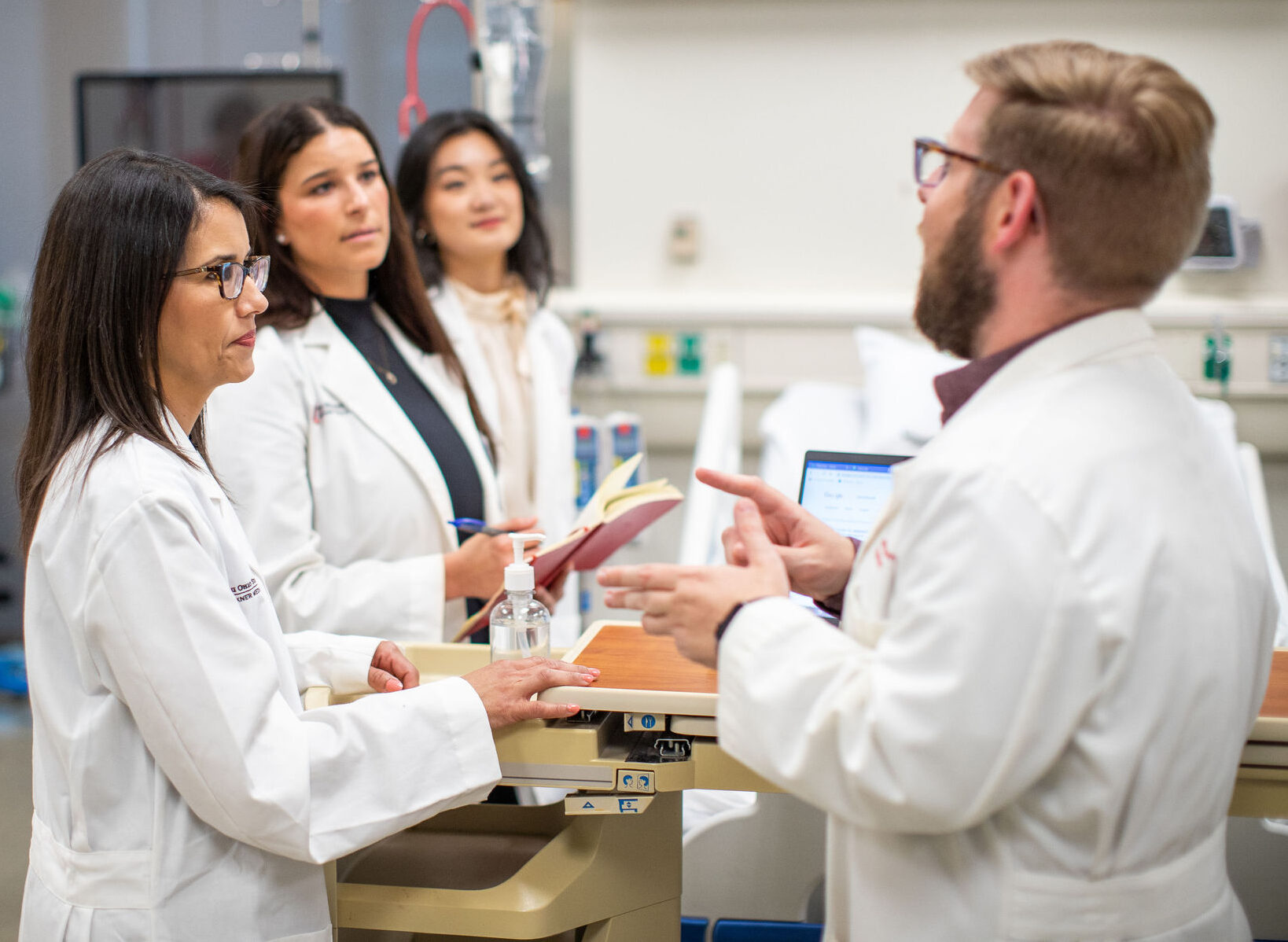 h direct patient care responsibilities in a variety of settings. Most of the services are teaching services and may be composed of an attending physician, a fellow, and house staff (including residents, interns, and advanced practice providers). The resident will strengthen his/her clinical acumen and communication skills through completing at least one rotation on each required service. The remaining rotations will be determined based on the resident’s goals and the discretion of the residency program director.
Required Learning Experiences (4-5 weeks in duration unless noted otherwise):
- General Cardiology
- Acute Coronary Syndromes/Coronary Intensive Care
- Heart Failure/Heart Transplant
- Cardiovascular Intensive Care Unit
- Thoracic Transplant
- Electrophysiology (2 weeks)
Required Longitudinal Experiences:
- Professional Education (including journal clubs and formal presentations)
- Cardiology Committee Management
- Research
- Staffing
Sample Elective Learning Experiences (2-5 weeks in duration):
- Cardiovascular Ambulatory Care
- Neurocritical Care
- Advanced rotation in any of the required learning experiences
- Emergency Medicine
- Pulmonary Hypertension
Key Preceptors
Danielle Blais, PharmD, BCCP, BCPS, FCCP
Acute Coronary Syndrome/Coronary Intensive Care
Mike Boyd, PharmD, BCCP, BCPS
Electrophysiology/ Cardiology
Pam Burcham, PharmD, BCTXP, BCPS
Thoracic Transplant
Shea Macielak, PharmD, BCCP
Cardiovascular Float
Tara Fallah, PharmD, BCTXP
Thoracic Transplant
Kevin Kissling, PharmD, BCPS
Heart Failure/Heart Transplant
Kerry Pickworth, PharmD, FCCP
Heart Failure/Heart Transplant
Alan Rozycki, PharmD, BCCCP
Cardiovascular Intensive Care Unit
Selected Resident Research
- Safety of apixaban and rivaroxaban compared to warfarin after cardiac surgery. J Card Surg. 2022 Dec; 37(12):4740-4747. Naik KD, Whitson BA, McLaughlin EM, Matre NB, Rozycki AJ.
- Rehospitalization of patients with advanced heart failure receiving continuous, palliative dobutamine or milrinone. Am J Cardiol. 2022 Dec 1;184:80-89. Eaton RE, Kissling KT, Haas GJ, McLaughlin EM, Pickworth KK.
- Risk factors and outcomes associated with prolonged subtherapeutic anticoagulation with bivalirudin: A retrospective cohort study. Pharmacotherapy. 2019 Dec;39(12):1157-1166. Orzel LA, Abel EE, Blais DM, Wang TF, Porter KA, Burcham PK.
- Impact of anticoagulation strategy and agents on extracorporeal membrane oxygenation therapy. Perfusion. 2019 Nov;34(8):671-678. Macielak S, Burcham P, Whitson B, Abdel-Rasoul M, Rozycki A.
- Outcomes for cancer patients with acute ST-segment elevation myocardial infarction undergoing primary percutaneous coronary intervention. Cardiovasc Revasc Med. 2019 Aug;20(8):711-715. Jacobs JA, Pickworth K, Boudoulas KD, Hinkley M, McLaughlin E, Blais D.
- Incidence of cytomegalovirus in cardiac transplant recipients receiving induction immunosuppression with antithymocyte globulin. Clin Transplant. 2018 Nov;32(11):e13420. Jewani PK, Pouch SM, Kissling KT.
- Comparison of the safety of adenosine and regadenoson in patients undergoing outpatient cardiac stress testing. Pharmacotherapy. 2015 Dec;35(12):1117-23. Brink HL, Dickerson JA, Stephens JA, Pickworth KK.
Benefits and Additional Requirements
Application Deadline:
January 4
We welcome applications from non-U.S. citizens who have a “green card” (permanent resident status) or a current visa valid through the entire duration of the residency program. The Ohio State University pharmacy residency programs are NOT able to sponsor visas for pharmacy residents (PGY1 or PGY2).
Start Date: July 1
Annual Salary – $56,000
Vacation Days – 10 days
Staffing Requirement – 19 weekends a year
Completion of a Major Research Project